
Creating a cozy and inviting home environment is something many of us strive for. A space that feels warm and welcoming not only boosts your mood but also makes your guests feel at ease. Whether you live in a small apartment or a spacious house, there are plenty of ways to add that extra layer of comfort and charm to your living space. Here are some practical tips to help you create a cozy and inviting home.
1. Choose Warm Colors and Soft Textures
Color plays a significant role in how comfortable a room feels. Warm colors such as soft browns, muted oranges, deep reds, and gentle yellows evoke feelings of warmth and relaxation. You don’t need to paint all your walls these colors; adding accents like cushions, throws, or rugs can be enough to infuse warmth.
Texture is just as important. Include soft fabrics like plush throws, velvet cushions, or knitted blankets. Layering different textures creates visual interest and invites you to touch and relax. A thick area rug can add coziness underfoot, especially on hardwood or tile floors.
2. Maximize Natural Light and Use Ambient Lighting
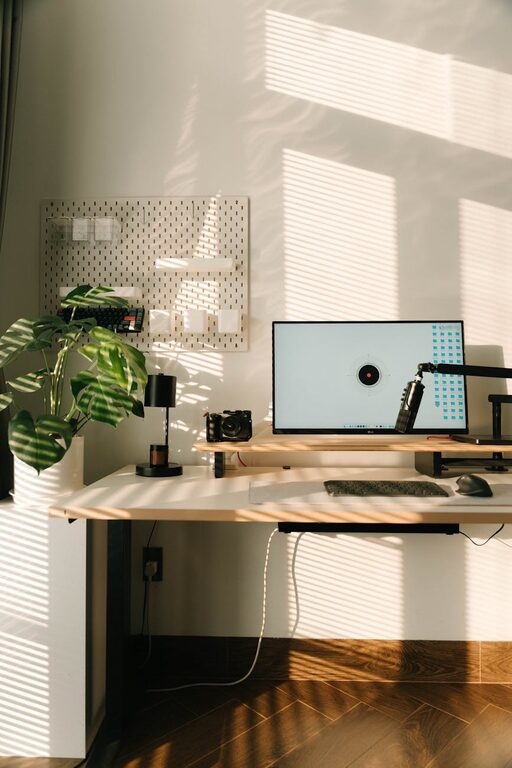
Natural light makes any space feel more open and inviting. Keep window treatments light and airy to let sunlight flood your rooms. Use sheer curtains or blinds that can be easily adjusted.
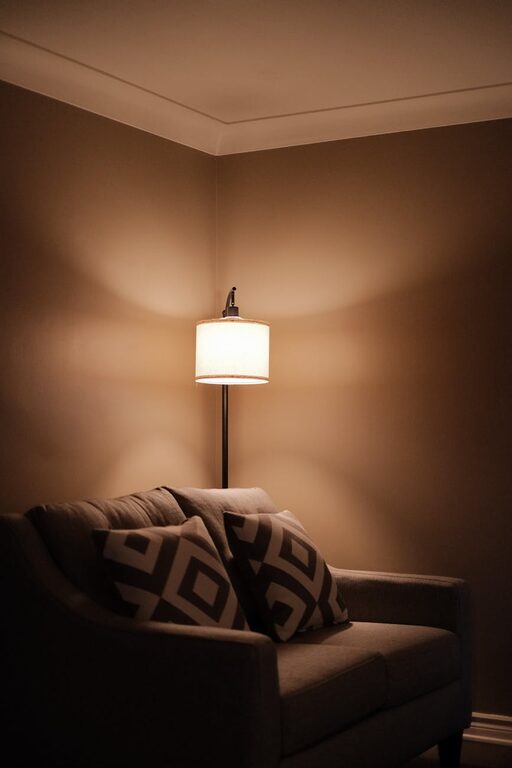
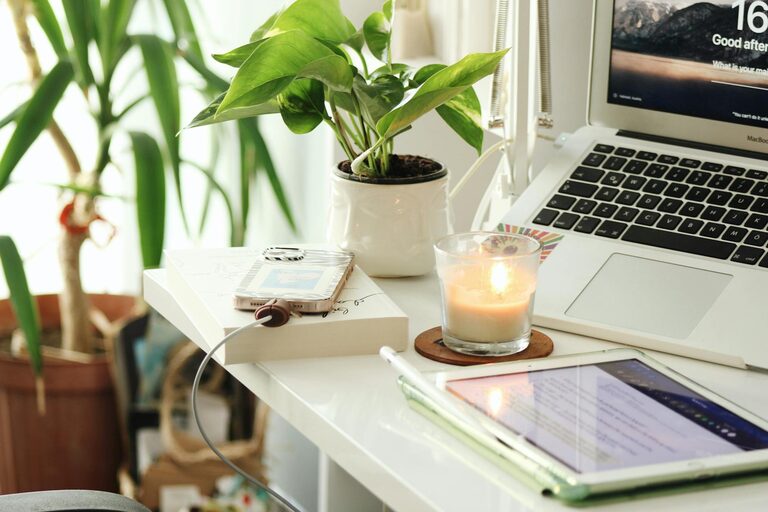
At night, replace harsh overhead lighting with softer, ambient options. Table lamps, floor lamps, and string lights create a gentle glow that soothes the senses. Candles can also add warmth and a pleasant scent, enhancing the cozy atmosphere.
3. Incorporate Personal Touches
Your home should reflect who you are and what you love. Display meaningful artwork, family photos, or souvenirs from your travels. These personal touches make your space feel uniquely yours and add an intimate feel.
Consider setting up a dedicated reading nook or a small gallery wall where your favorite memories and inspirations are visible. Such small elements contribute to a welcoming vibe.
4. Arrange Furniture for Conversation and Comfort
The layout of your furniture affects how people interact in the space. Arrange seating to encourage conversation; for example, position chairs and sofas facing each other instead of all pointing towards a TV. Create clusters of seating in living or family rooms to promote relaxation and socializing.
Don’t cram the room with furniture. Leave enough space to move around easily. Overcrowding feels chaotic and less inviting. You can also add cozy elements like a soft ottoman or poufs that serve as both seating and accent pieces.
5. Add Natural Elements
Bringing nature indoors can instantly make a room feel fresher and more calming. Houseplants, flowers, and natural materials like wood, stone, or wicker add life and texture.
Even a small potted plant on a windowsill or a vase of fresh flowers on the dining table can boost the overall ambiance. Natural elements also improve air quality, which makes a home feel healthier.
6. Keep Clutter to a Minimum
A clutter-free home feels more serene and inviting. Regular tidying and organizing help maintain a sense of calm. Use stylish storage solutions such as baskets, shelves, and decorative boxes to keep belongings out of sight but easily accessible.
Minimal clutter also allows your cozy details like textiles and lighting to stand out, enhancing the atmosphere.
7. Use Inviting Scents
A pleasant aroma can make your home feel more welcoming. Consider essential oil diffusers, scented candles, or potpourri with inviting scents like vanilla, lavender, cinnamon, or citrus.
Avoid overpowering fragrances; subtle scents create a soothing environment without overwhelming the senses. Scents tied to memories can also deepen feelings of comfort and nostalgia.
8. Focus on Cozy Spaces for Relaxation
Designate certain zones in your home specifically for relaxation. This could be a reading nook by a window with a comfortable chair and good lighting, or a corner with floor cushions and soft blankets.
You might also want to create a calm bedroom environment by choosing supportive bedding in soft colors and minimizing electronics to encourage restfulness.
9. Layer Your Lighting
Beyond natural and ambient lighting, layering your light sources allows you to adjust the mood for different times of day or activities. Combine overhead lights with task lighting and accent lighting to create flexibility.
For example, place a reading lamp next to your favorite chair and uplights to emphasize artwork or plants, contributing to a warm atmosphere.
10. Create Comfortable Temperature Zones
Temperature affects comfort greatly. If possible, use heaters, fans, or air conditioners to maintain a consistent and pleasant temperature.
Adding cozy blankets or throws is especially nice during colder months, while breathable curtains can help keep things cool during warmer weather.
—
By following these tips, you can transform your living space into a cozy and inviting home that nurtures comfort, relaxation, and warmth. Remember, creating a welcoming environment is about combining functionality with your personal style to make a space you and your visitors enjoy spending time in. Start small and gradually add touches that reflect your personality and lifestyle for a home that truly feels like a haven.

Related Posts