Creating a home office that feels both cozy and productive can greatly improve your work-from-home experience. Whether you spend a few hours a week or a full day in your home office, designing a space that invites comfort while promoting focus helps you stay motivated and efficient. Here are some practical tips to help you set up a home office that balances warmth and work-friendly design.
1. Choose the Right Location
Consider Natural Light
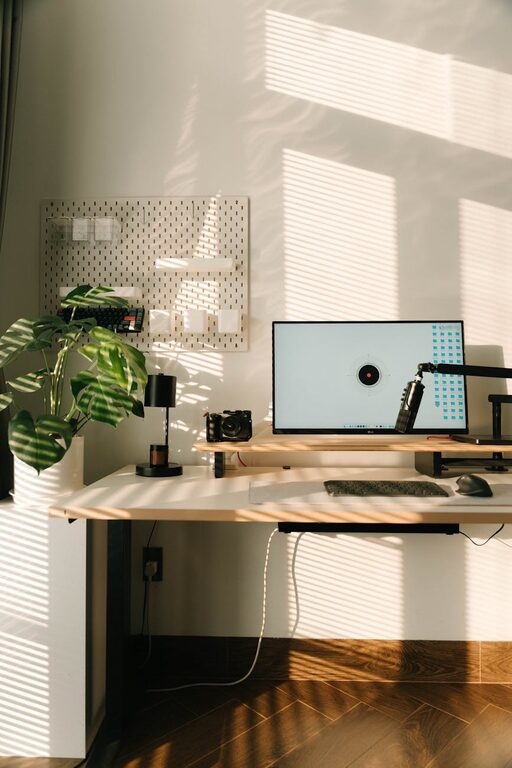
Natural light plays an important role in both mood and productivity. If possible, set up your workspace near a window so you can enjoy daylight during work hours. Exposure to natural light helps reduce eye strain and can improve alertness.
Minimize Distractions
Select a quiet corner or room away from high-traffic areas in your home. This helps minimize interruptions and create a sense of separation between work and personal life.
2. Invest in Comfortable, Functional Furniture
Ergonomic Chair
Comfort starts with your chair. Invest in an ergonomic chair that supports your posture and reduces strain on your back and neck. Look for adjustable features so you can customize the fit.
Desk Options
Choose a desk that suits your work style — some prefer a large surface for spreading out materials, while others thrive with a minimalist setup. Adjustable desks allowing you to alternate between sitting and standing can also benefit your health and productivity.
3. Optimize Lighting
Combine Ambient and Task Lighting
In addition to natural light, use a mix of lighting fixtures. Ambient lighting brightens the room overall, while task lighting (like a desk lamp) provides focused illumination for reading or detailed work.
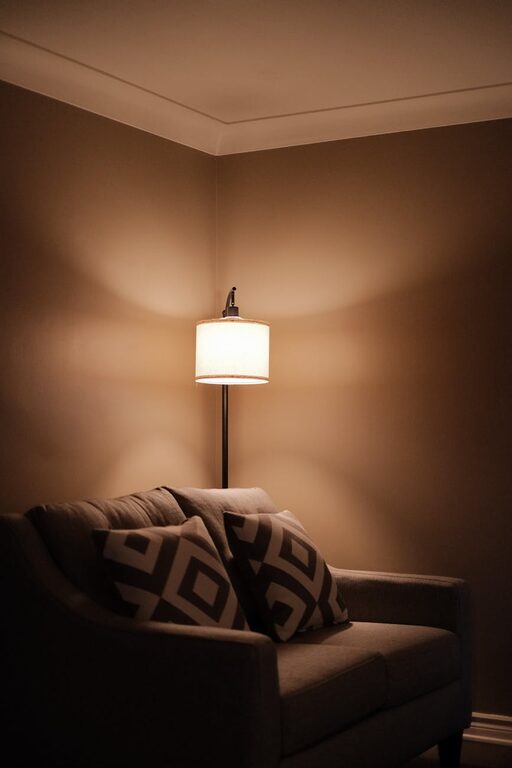
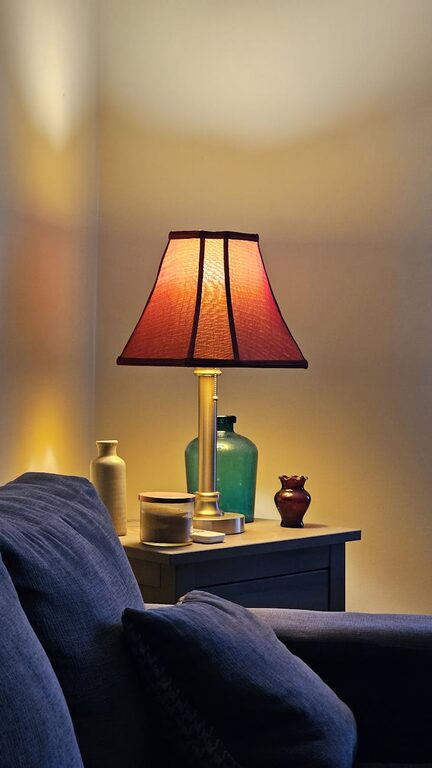
Warm Light for Coziness
Select bulbs with warm temperature (2700K-3000K) to create a cozy atmosphere. Avoid harsh, blue light that can make the space feel sterile.
4. Personalize Your Space
Add Personal Touches
Decorate with items that inspire you — artwork, plants, or meaningful objects. These touches make the office feel inviting and uniquely yours.
Use Calming Colors
Choose paint or decor in calming colors such as soft blues, greens, or neutrals. These hues promote relaxation and focus.
5. Organize for Efficiency
Declutter Regularly
Keep your desk surface tidy by removing unnecessary items. A clean workspace helps prevent distractions.
Use Storage Solutions
Incorporate shelves, drawers, or storage boxes to keep papers and supplies organized and out of sight when not in use.
6. Incorporate Greenery
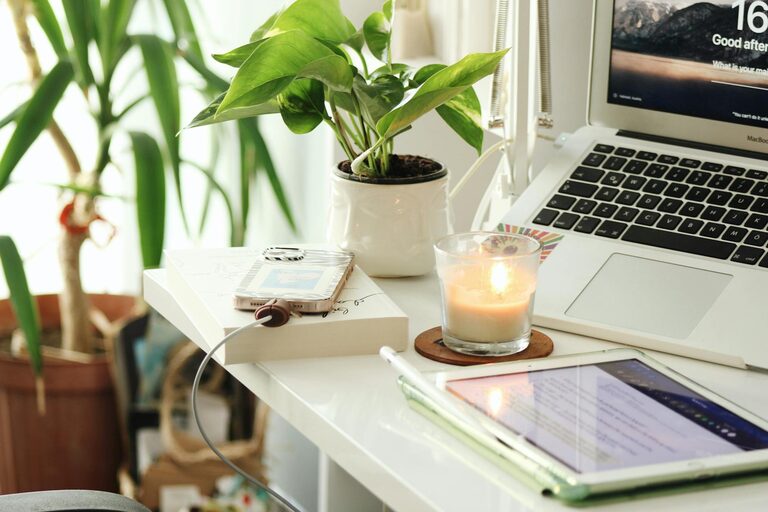
Plants not only beautify your space but also improve air quality and reduce stress. Opt for low-maintenance plants like succulents, pothos, or snake plants to add a touch of nature.
7. Manage Technology Effectively
Cable Management
Tidy up cables using clips, sleeves, or under-desk trays. This prevents tangling and keeps your workspace visually clean.
Quality Equipment
Use reliable devices like a good monitor, keyboard, and headset to enhance comfort and efficiency.
8. Create Zones
If space allows, separate your home office into zones. For example, designate one area for computer work, another for reading or brainstorming. This can help shift your mindset and maintain focus.
9. Promote Healthy Habits
Regular Breaks
Incorporate short breaks to stretch and rest your eyes. This helps maintain energy and productivity throughout the day.
Hydration and Snacks
Keep a water bottle nearby and healthy snacks to stay energized without leaving your workspace frequently.
—
Setting up a home office that is cozy and productive takes some thought but can make a big difference in your daily work life. By paying attention to lighting, comfort, organization, and personalization, you create a space that supports both focus and well-being. Enjoy crafting your perfect workspace!

Related Posts