
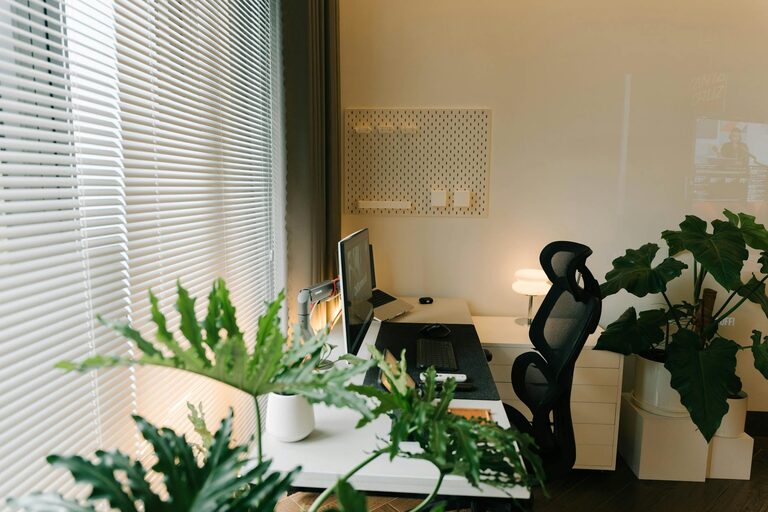
Creating a relaxing home office environment is essential for maintaining productivity and well-being while working from home. A cluttered, noisy, or unenjoyable space can increase stress and reduce focus, while a calming and well-organized office promotes creativity, efficiency, and a happier workday. Whether you have a dedicated room or a small corner, these tips will help you design a peaceful workspace tailored to your needs.
Choose a Quiet, Dedicated Space
One of the most important steps is to select a spot in your home where you can work with minimal distractions. Ideally, this space should be:
– Away from high-traffic areas: Avoid areas near the kitchen, living room, or noisy hallways.
– Separate from relaxation zones: Keep your home office distinct from places where you unwind to maintain a clear mental boundary between work and rest.
– Well-ventilated and well-lit: Natural light can improve mood and reduce eye strain, so choose a spot near a window if possible.
If space is limited, a foldable desk or compact workstation in a corner can work just fine, as long as you can use it exclusively for work.
Invest in Comfortable Furniture
Comfort is key to creating a relaxing environment. Spending long hours in an uncomfortable chair or cramped desk can cause physical discomfort and reduce productivity.
– Ergonomic chair: Choose a chair with good lumbar support and adjustable height to promote good posture.
– Desk at the right height: Your desk should allow your elbows to rest at a 90-degree angle when typing.
– Consider standing desks or desk converters: Switching between sitting and standing can reduce stiffness and increase energy.
– Add footrests or cushions: These can improve your comfort during long sessions.
Comfortable furniture supports your health and creates an inviting workspace where you want to spend time.
Declutter and Organize Your Space
A clutter-free office helps you concentrate and creates a sense of calm. To keep things tidy:
– Use storage solutions: Shelves, drawers, and organizers keep supplies out of sight but easily accessible.
– Minimize desktop items: Only keep essentials like your computer, notebook, and a few personal items.
– Develop daily habits: Take a few minutes at the end of each day to tidy up, filing papers and clearing surfaces.
When everything has its place, your workspace looks cleaner and you spend less time searching for what you need.
Incorporate Calming Colors and Decor
The colors and decor you choose greatly influence your mood and productivity. Here’s how to create a soothing atmosphere:
– Choose soft, neutral colors: Shades of blue, green, beige, or pastel tones help reduce stress.
– Add plants: Indoor plants improve air quality and provide a natural, refreshing touch.
– Display inspiring artwork or photos: Personal touches that motivate you can make the space feel welcoming.
– Opt for simple decorations: Avoid cluttering walls or desks with too many items to keep the environment peaceful.
Keep your decor minimalistic yet inviting to foster relaxation.
Control Noise and Lighting
Noise and lighting affect your concentration and comfort level significantly.
– Use noise-canceling headphones or white noise machines: These help block distracting household or outdoor sounds.
– Add soft background music: Instrumental or nature sounds can enhance focus and relax your mind.
– Maximize natural light: Position your desk near a window if possible.
– Use adjustable lighting: Desk lamps with adjustable brightness reduce eye strain and help you work comfortably at any time.
Good lighting combined with controlled noise levels creates an ideal ambiance for productive work.
Establish a Routine and Boundaries
A relaxing home office isn’t just about physical space—your habits matter too.
– Set consistent work hours: This helps your mind prepare for work and rest at specific times.
– Take regular breaks: Step away from your desk every hour to stretch or move around.
– Keep work and personal life separate: Avoid working in areas where you relax or sleep.
– Use technology wisely: Turn off non-essential notifications to minimize distractions.
Healthy routines help your brain associate your home office with focus, making your work time feel smoother.
Add Personal Comfort Touches
Finally, small additions can enhance your comfort and enjoyment:
– Use a cozy blanket or cushion: For added warmth and softness.
– Have a water bottle or healthy snacks nearby: Staying hydrated and nourished supports energy.
– Consider aromatherapy: Essential oils like lavender or eucalyptus can create a calming scent.
– Use a small fan or heater: Maintain a comfortable temperature throughout the day.
These personal touches make your workspace feel like a pleasant place to spend time.
—
Final Thoughts
Creating a relaxing home office environment takes intentional design and habits but pays off in better focus, comfort, and reduced stress. By choosing the right spot, organizing efficiently, controlling lighting and noise, and adding personal touches, you can build a workspace that supports your productivity and well-being every day. Remember, your office should inspire you to work calmly and effectively, turning your home into a true productivity haven.
